WhatsApp marketing for small businesses in India: what actually works
The app, the Business app, and the API: what each costs in India, what to send, what gets you blocked, and where AI fits without spamming.
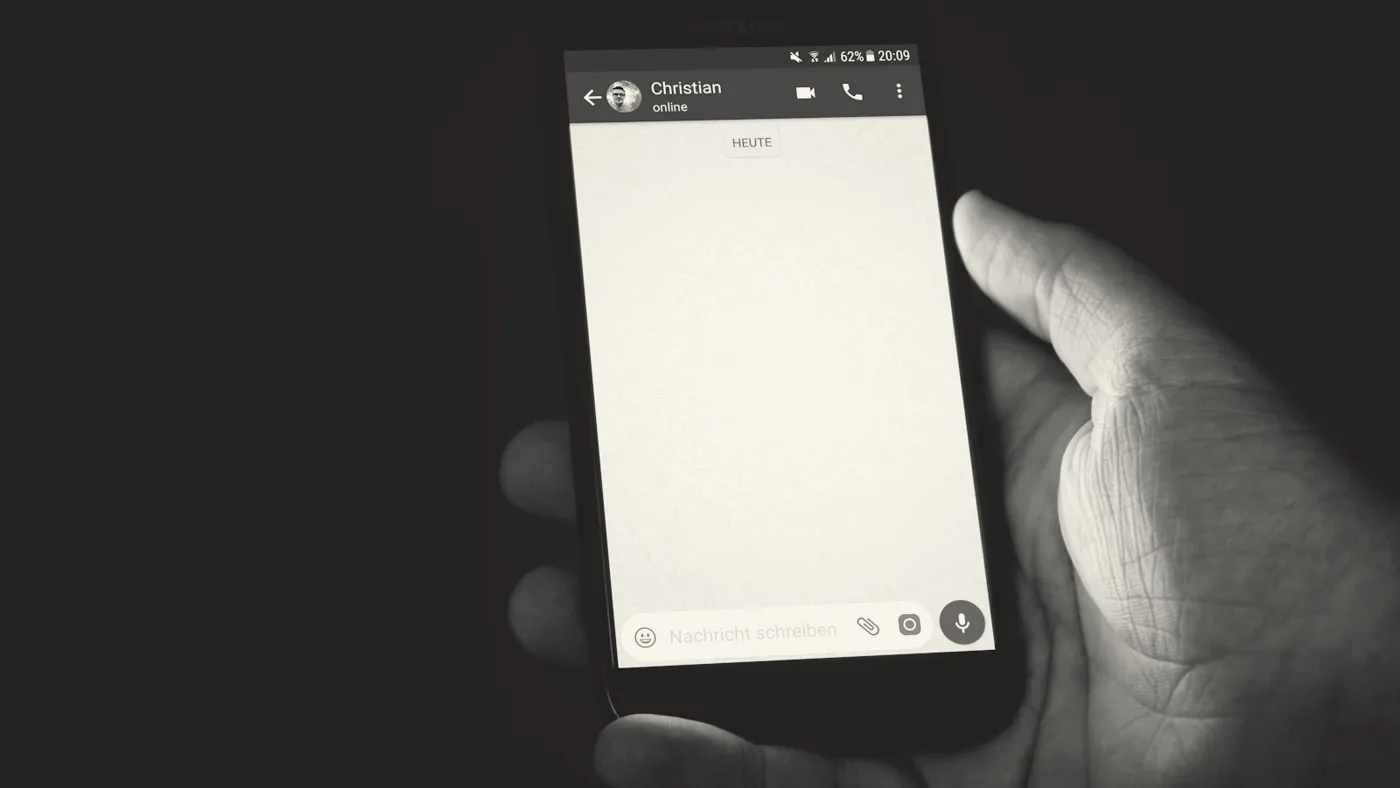
- India is WhatsApp's largest market — 500 million-plus users — and most Indian small businesses already use it informally. The gap is between using it and using it well.
- Three tiers: the personal app (stop), the free Business app (fine to start), the Business API (needed for broadcasts at scale, automation, and a shared team inbox).
- Meta moved to per-message pricing in July 2025; India now has among the cheapest marketing-message rates in the world — roughly a rupee per message. Replies within the 24-hour service window are free.
- The channel punishes spam fast: quality ratings, blocks, and template rejections. Segmented, useful, consented messages are the entire game.
- AI fits in the drafting, the segmentation, and the drip flows — with a human approving what goes out.
Ask an Indian shop owner where their customers are and the answer is not email. Industry trackers put WhatsApp above 500 million users in India — its largest market anywhere — and report that the large majority of Indian small businesses already use it to talk to customers. So the question is not whether to be on WhatsApp. It is how to go from "we reply when customers message" to a channel that fills Saturdays.
The three tiers, and where you probably are
Tier 1: the personal app (move off it)
Running a business on a personal WhatsApp number means no business profile, no catalog, no team access, no auto-replies, and a real risk of the number being flagged when you broadcast. If this is you, the move to the Business app is free and takes an afternoon.
Tier 2: the WhatsApp Business app (free, and fine to start)
Business profile with hours and location, a product catalog, labels, quick replies, and away messages. The limits arrive with growth: broadcast lists cap at 256 contacts and only reach people who saved your number, one phone owns the account, and there is no real automation. For a single-location business with modest volume, this tier honestly can be enough.
Tier 3: the Business API (where marketing at scale happens)
The API — used through any of dozens of platforms — gives you broadcasts to your full opted-in list, message templates, automated flows, a shared inbox for staff, and a green-tick verified identity. This is the tier the word "WhatsApp marketing" usually refers to, and it is where costs and rules start to matter.
What it costs now
Meta changed the model in July 2025: pricing is per message delivered, not per conversation. Three things a small business should know, current as of mid-2026:
- Marketing messages in India are among the cheapest in the world — published rate cards put them at roughly a rupee per message, against several times that in Western markets.
- Utility messages (order updates, appointment reminders tied to an existing interaction) cost a fraction of marketing rates.
- Service replies are free: when a customer messages you, replies within the 24-hour window cost nothing. A channel where answering customers is free is a channel that rewards being responsive.
On top of Meta's rates, API platforms add their own subscription or markup — worth comparing, because for a small list the platform fee can exceed the message costs.
What to send (and what gets you blocked)
WhatsApp is a personal space, and Meta polices it with quality ratings: get blocked or reported by enough recipients and your sending limits drop, then your templates start getting rejected. This is a feature. It means the businesses that win on WhatsApp are the ones whose messages people actually want:
- Reminders and confirmations. Appointments, orders, renewals, deliveries. Highest value, lowest risk — and mostly billed at cheap utility rates.
- Replies to enquiries, fast. Free within the window, and the single biggest revenue lever: an enquiry answered in minutes converts at a different rate than one answered tomorrow.
- Segmented offers. The weekend offer to customers who visited in the last three months, not the full list. Festival greetings with something genuinely useful attached, not ten stacked promotional messages in Diwali week.
- Drip sequences for new enquiries. Enquiry → warm welcome → relevant offer → booking nudge, spaced over days, exiting the moment the person books or objects.
The failure mode is treating WhatsApp like SMS blasting with a nicer interface: buying lists (against policy and DPDPA-hostile), broadcasting the same message to everyone weekly, and ignoring opt-outs. The channel punishes it within weeks, and unlike email, the punishment sticks to your business number.
Consent is the foundation
Meta requires opt-in for business-initiated messages, and India's DPDPA points the same direction. In practice: collect the opt-in at the moments people are happy to give it (booking, billing, enquiry), say what you will send, and honour every stop. A smaller consented list outperforms a bigger scraped one on every metric that pays.
Where AI fits — honestly
The work that makes WhatsApp marketing good is exactly the work small businesses skip under time pressure: writing message variants per segment instead of one blast, keeping campaigns aligned to the local calendar, running the drip flows, and reading the numbers weekly. That is production work, and it is what AI marketing systems are for — we defined the category in what is AI marketing automation.
Our own product, Marketing Autopilot, treats WhatsApp as one of nine channels: it plans campaigns around your seasons, drafts broadcasts and drip flows in your voice, and queues everything for your approval before it sends. What it will not do is decide your offer or rescue an unsegmented blast strategy — no tool does, and anyone claiming otherwise is selling the word. If you are weighing this against hiring help, the cost comparison is in agency vs freelancer vs in-house vs AI.
What this means for you
- On a personal number? Move to the free Business app this week: profile, catalog, quick replies.
- Answer enquiries in minutes, not hours. It is free and it is the biggest lever on the channel.
- Collect opt-ins at booking and billing. Consent is both the law's direction and the algorithm's.
- Graduate to the API when you cross 256 broadcast contacts, need multi-staff access, or want automated flows — and compare platform fees, not just Meta's rates.
- Send what people would thank you for: reminders, fast answers, and offers matched to who they are. Watch your quality rating like a revenue metric, because it is one.
Want an honest read on whether your WhatsApp setup is leaving bookings on the table? Book a 30-minute call. If the answer is "just move to the Business app and reply faster", that is what we will tell you.
Related from the blog

What is AI marketing automation? A guide for SMBs
More than scheduling: campaign planning, drafting, publishing, and analytics under one brand voice. Five characteristics and when it makes sense.
Agency, freelancer, in-house, or AI: what marketing actually costs a small business
Agencies quote ₹20,000-75,000 a month, freelancers ₹15,000-50,000, in-house ₹30,000-55,000. An honest comparison of all four marketing paths.
Multi-channel campaign planning with AI: a 30-day template
A 30-day campaign planning template you can copy this week: calendar, channel mix, asset list, approval flow, and measurement plan.
Talk to a real engineer.
A 30-minute call. We will tell you honestly whether AI is the right fix and what it would take.